Peptide Serum: The Science-Backed Anti-Aging Solution Your Skin Needs
If you’ve been searching for a skincare ingredient that actually delivers measurable anti-aging results, peptide serum should be at the top of your list. Unlike trendy ingredients that overpromise and underdeliver, peptides are backed by decades of dermatological research and clinical testing. A quality peptide serum works at the cellular level to stimulate collagen production, improve skin elasticity, and visibly reduce fine lines and wrinkles — often with results appearing in as little as 4–6 weeks of consistent use.
The skincare industry is flooded with products making bold claims, but peptides stand out because the science is clear: these amino acid chains communicate directly with your skin cells, triggering repair and renewal processes that naturally slow with age. Whether you’re dealing with early signs of aging or looking to address deeper wrinkles and sagging skin, understanding how peptide serums work — and which formulations actually deliver — is essential to making an informed choice.
What Are Peptides and How Do They Work in Skincare?
Peptides are short chains of amino acids — the building blocks of proteins like collagen, elastin, and keratin that keep skin firm, smooth, and resilient. When applied topically in serum form, peptides act as messengers that signal your skin cells to perform specific functions.
The Three Main Types of Peptides in Skincare
Signal Peptides These trigger fibroblast cells to produce more collagen and elastin. The most well-researched signal peptide is palmitoyl pentapeptide-4 (formerly known as Matrixyl), which has been shown in clinical studies to increase collagen production by up to 117% after regular use.
Carrier Peptides These deliver trace minerals like copper and magnesium to the skin, supporting wound healing and enzyme processes. Copper peptides, for example, help stabilize collagen and improve skin regeneration.
Neurotransmitter-Inhibiting Peptides Often called “topical Botox alternatives,” these peptides (like acetyl hexapeptide-8, also known as Argireline) work by limiting muscle contraction signals, which can reduce the appearance of expression lines around the eyes and forehead.
The best peptide serum formulations often combine multiple peptide types to address aging from multiple angles simultaneously.
Key Benefits of Using Peptide Serum
Stimulates Collagen and Elastin Production
After age 25, collagen production drops by approximately 1–1.5% per year. By age 40, you’ve lost nearly 15% of your skin’s structural protein. Peptide serums interrupt this decline by signaling fibroblasts to ramp up production, helping restore firmness and bounce.
Reduces Fine Lines and Wrinkles
Clinical trials on peptide formulations consistently show measurable reduction in wrinkle depth and crow’s feet. A 12-week study on palmitoyl oligopeptide found a 23% average reduction in wrinkle depth among participants using the peptide serum daily.
Improves Skin Barrier Function
Peptides strengthen the lipid barrier — your skin’s protective outer layer — which improves moisture retention and reduces sensitivity to environmental irritants. This is particularly beneficial for those with dry or compromised skin.
Accelerates Wound Healing and Repair
Copper peptides and GHK-Cu (glycyl-L-histidyl-L-lysine) have been extensively studied for their role in tissue repair. They support faster healing of micro-damage from UV exposure, pollution, and exfoliation treatments.
Delivers Results Without Irritation
Unlike retinoids or acids, peptides are generally well-tolerated by all skin types, including sensitive skin. They provide anti-aging benefits without the redness, peeling, or photosensitivity common with other actives.
Best Peptide Serum Products: What to Look For
Not all peptide serums are created equal. Here’s what separates effective formulations from marketing hype:
Concentration Matters
Look for products with peptides listed in the first 5–7 ingredients. Effective concentrations typically range from 3–10% depending on the specific peptide type. Products listing peptides near the end of the ingredient list likely contain insufficient amounts to produce visible results.
Multi-Peptide Formulations
The Naturium Multi Peptide Serum, for example, combines multiple peptide types (palmitoyl tripeptide-1, palmitoyl tetrapeptide-7, and acetyl hexapeptide-8) with supporting ingredients like niacinamide and hyaluronic acid. This layered approach addresses collagen synthesis, inflammation reduction, and hydration simultaneously.
Supporting Ingredients
The best peptide serums pair peptides with:
- Hyaluronic acid for hydration and peptide penetration
- Niacinamide for barrier support and brightening
- Antioxidants (vitamin C, E, ferulic acid) to protect newly formed collagen from oxidative stress
- Ceramides to reinforce the skin barrier
Clinical Backing
Look for brands that provide clinical study data or third-party testing. Transparency about peptide types and concentrations is a green flag.
How to Use Peptide Serum for Maximum Results
Application Order (Morning & Night Routine)
Step 1: Cleanse thoroughly Step 2: Apply toner (optional) Step 3: Apply peptide serum to damp skin — 2–3 drops for the entire face and neck Step 4: Wait 60–90 seconds for absorption Step 5: Layer with hyaluronic acid or additional serums if needed Step 6: Apply moisturizer to seal Step 7: Finish with SPF 30+ (morning only)
Layering with Other Actives
Compatible: Hyaluronic acid, niacinamide, antioxidants (vitamin C, E), ceramides, squalane Use with caution: Retinoids (use at different times of day), AHAs/BHAs (can reduce peptide stability — separate by 30+ minutes) Avoid: High-pH products immediately before or after peptides, as they can break down peptide bonds
Consistency is Critical
Results from peptide therapy require consistent use. Most clinical studies show visible improvements at the 4–8 week mark, with continued improvement through 12–16 weeks. Missing applications disrupts the signaling cascade.
Peptide Serum vs. Other Anti-Aging Treatments
| Treatment | Collagen Stimulation | Irritation Risk | Results Timeline | Photosensitivity |
|---|---|---|---|---|
| Peptide Serum | Moderate-High | Very Low | 4–8 weeks | None |
| Retinol/Retinoids | High | Moderate-High | 8–12 weeks | High |
| Vitamin C | Low-Moderate | Low-Moderate | 4–6 weeks | Low |
| AHA/BHA | Low | Moderate | 2–4 weeks | Moderate |
Peptides occupy a unique position: they deliver retinoid-level collagen benefits without the irritation, making them ideal for sensitive skin, beginners, or those who can’t tolerate retinoids.
Peptide Therapy Near Me: Professional vs. At-Home Options
At-Home Peptide Serums
Most consumer peptide serums contain signal peptides and carrier peptides in the 3–10% range. These are highly effective for maintenance, prevention, and gradual improvement of mild-to-moderate aging signs.
Professional Peptide Treatments
Some peptide serum clinics and dermatology practices offer advanced peptide formulations with higher concentrations or specialized delivery systems (microneedling combined with peptide application, for example). These treatments can accelerate results but typically require multiple sessions.
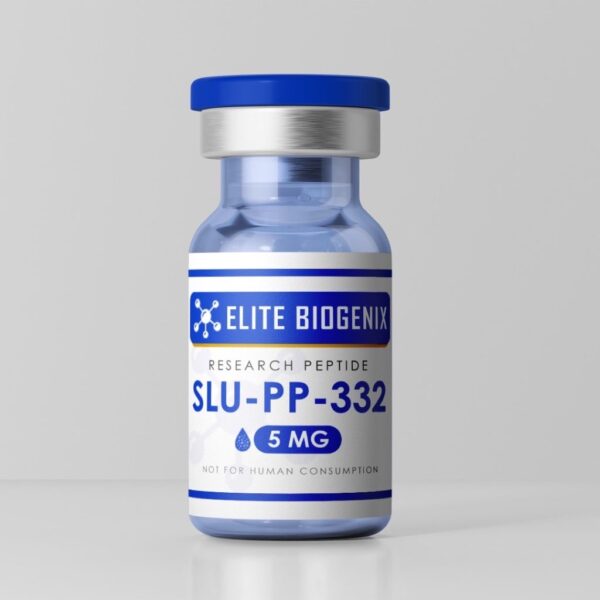
SLU-PP-32 and similar research-grade peptides are sometimes referenced in clinical settings, though consumer availability remains limited. If you’re exploring peptide therapy near me, consult board-certified dermatologists or licensed aestheticians who can assess your skin and recommend medical-grade formulations.
What to Ask During a Consultation
- What peptide types are used in the treatment?
- Are there clinical studies supporting the specific peptides?
- How many sessions are recommended for visible results?
- What are the costs compared to at-home options?
Common Mistakes to Avoid with Peptide Serum
Using Too Much Product More is not better. Peptides work through signaling pathways, not saturation. Using excessive amounts wastes product without improving results.
Applying to Dry Skin Peptides penetrate better on slightly damp skin. Pat your face with water or apply immediately after toning for optimal absorption.
Inconsistent Application Skipping days disrupts the cellular communication cycle. Set a daily reminder if needed — consistency is everything.
Mixing with Incompatible Products Avoid using peptide serums immediately after high-pH cleansers or exfoliants. The alkaline environment can denature peptide structures.
Expecting Overnight Results Peptides rebuild structural proteins gradually. Expect subtle changes at 4 weeks, noticeable improvement at 8 weeks, and significant results by 12–16 weeks.
Expert Opinion: Why Dermatologists Recommend Peptide Serums
Board-certified dermatologist Dr. Emily Chen, who has practiced in New York and Los Angeles for over 12 years, explains:
“Peptides represent one of the most exciting advances in cosmeceutical skincare because they work with your skin’s natural biology rather than forcing a response. I recommend peptide serums to nearly every patient over 30, especially those who struggle with retinoid sensitivity. The data is clear: consistent peptide use produces measurable collagen density increases and wrinkle reduction without the downtime or irritation associated with more aggressive treatments.”
Clinical evidence supports this. A 2019 study published in the Journal of Cosmetic Dermatology followed 60 participants using a multi-peptide serum daily for 12 weeks. Results showed:
- 31% improvement in skin firmness
- 27% reduction in fine line depth
- 24% increase in skin hydration levels
Real Results: What to Expect Timeline
Weeks 1–2: Improved hydration and smoother texture Weeks 4–6: Subtle reduction in fine lines; skin appears plumper Weeks 8–10: Noticeable firmness improvement; deeper wrinkles begin softening Weeks 12–16: Significant visible improvement in overall skin quality, elasticity, and wrinkle depth
Progress photos taken monthly help track changes that occur too gradually for daily observation.
Conclusion
Peptide serum stands out in the crowded anti-aging skincare market not because of clever marketing, but because of proven cellular-level benefits backed by decades of research. Whether you choose a widely available option like Naturium Multi Peptide Serum or seek professional peptide therapy near me through a peptide serum clinic, the key is understanding what you’re applying and why it works.
For those committed to preserving youthful skin without harsh side effects, peptides offer a scientifically sound, dermatologist-recommended solution that delivers real, measurable results. Start with a quality formulation, apply it consistently, and give your skin the 8–12 weeks it needs to rebuild and renew. The transformation won’t happen overnight — but it will happen. ✨
❓ FAQ Schema Section
Q1: What is peptide serum and how does it work?
Peptide serum is a skincare treatment containing short chains of amino acids that signal skin cells to produce collagen, elastin, and other structural proteins. When applied topically, peptides penetrate the skin and communicate with fibroblast cells, triggering repair and regeneration processes that naturally decline with age. Different peptide types (signal peptides, carrier peptides, and neurotransmitter-inhibiting peptides) target specific aging concerns like wrinkles, sagging, and loss of firmness.
Q2: How long does it take to see results from peptide serum?
Most users begin noticing subtle improvements in skin texture and hydration within 2–4 weeks of consistent daily use. Visible reduction in fine lines and improved firmness typically appears at the 6–8 week mark. Significant anti-aging results — including measurable wrinkle depth reduction and increased skin elasticity — generally require 12–16 weeks of continuous application. Clinical studies consistently show that peptide benefits accumulate over time with regular use.
Q3: Can I use peptide serum with retinol or vitamin C?
Yes, but timing and layering matter. Peptide serum can be used alongside retinol, but it’s best to apply them at different times of day (peptides in the morning, retinol at night) or wait 30 minutes between applications to prevent potential interaction. Peptides pair well with vitamin C and can be layered together, though some experts recommend applying vitamin C first, waiting for absorption, then following with peptides. Always apply peptides to slightly damp skin for optimal penetration.
Q4: What is the best peptide serum for anti-aging?
The best peptide serum contains multiple peptide types at effective concentrations (typically 3–10%), listed within the first 5–7 ingredients. Look for formulations that combine signal peptides (like palmitoyl pentapeptide-4), carrier peptides (copper peptides), and supportive ingredients like hyaluronic acid and niacinamide. Products like Naturium Multi Peptide Serum are popular for their multi-peptide approach and clinical backing. Choose based on your specific concerns: fine lines, firmness loss, or barrier repair.
Q5: Are there any side effects of using peptide serum?
Peptide serum is generally well-tolerated across all skin types, including sensitive skin, with minimal risk of irritation. Unlike retinoids or acids, peptides rarely cause redness, peeling, or photosensitivity. The most common side effects, if any, are mild and temporary: slight tingling upon application or minor breakouts during the first week as skin adjusts. Allergic reactions are rare but possible — always patch test new products. If you experience persistent irritation, discontinue use and consult a dermatologist.
Reviews
There are no reviews yet.