Best Peptide Serum for Face: The Expert Guide to Firmer, Smoother Skin
A peptide serum for face is no longer a luxury reserved for high-end clinics — it is now one of the most evidence-backed additions you can make to your daily skincare routine. Peptides are short chains of amino acids that act as signaling molecules in the skin, directing cells to produce more collagen, elastin, and hyaluronic acid. The result: visibly firmer, plumper, and more even-toned skin over time.
In the past decade, clinical dermatology has seen a surge in peptide-based topical treatments. According to a 2022 review published in the International Journal of Cosmetic Science, certain peptide complexes — particularly matrikines and neurotransmitter-inhibiting peptides — demonstrated measurable improvements in skin elasticity and wrinkle depth after just 4 to 8 weeks of consistent use.
Whether you are comparing the affordability of a drug-store option, exploring professional-grade treatments offered at a peptide serum clinic, or weighing up cult favourites like the naturium peptide serum or the cosrx peptide serum, this guide gives you every fact you need to make an informed, confident choice.
What Are Peptides and Why Does Your Skin Need Them?
The Science Behind Peptide Signaling
Collagen accounts for roughly 75% of the skin’s dry weight. From your mid-twenties onward, collagen production drops by approximately 1% per year. By the time visible wrinkles appear, a meaningful percentage of the structural support beneath your skin has already degraded.
Peptides work by two primary mechanisms:
- Matrikine peptides (e.g., Palmitoyl Tripeptide-1) mimic fragments of degraded collagen, triggering fibroblast cells to produce new collagen as a repair response.
- Neurotransmitter-inhibiting peptides (e.g., Acetyl Hexapeptide-3) temporarily reduce muscle micro-contractions, softening expression lines.
- Carrier peptides (e.g., Copper Peptide GHK-Cu) transport trace minerals to the skin to support enzymatic activity and wound repair.
- Signal peptides (e.g., Palmitoyl Pentapeptide-4) stimulate fibroblasts directly to increase collagen, elastin, and fibronectin synthesis.
Why a Dedicated Serum Delivers Better Results
The molecular weight of peptides is small enough to penetrate the stratum corneum (the outermost skin layer) when delivered in a correctly formulated vehicle. Serums, by design, carry a higher concentration of active ingredients and are water-based — making them far more effective delivery systems than creams or oils for peptide absorption.
Key Benefits of Using a Peptide Serum for Face
When used consistently, a quality peptide serum for face delivers the following benefits, supported by clinical evidence:
- Increased collagen and elastin synthesis, reducing fine lines and improving skin firmness.
- Improved skin barrier function, reducing transepidermal water loss (TEWL) and environmental sensitivity.
- Faster skin cell turnover and repair, beneficial for post-acne marks and uneven texture.
- Reduction in hyperpigmentation when combined with brightening peptides like Oligopeptide-34.
- Enhanced hydration when peptides are paired with hyaluronic acid or ceramides.
- Reduced puffiness and improved microcirculation around the eye contour.
Pros and Cons: Peptide Serums at a Glance
| PROS | CONS |
|---|---|
| ✔ Clinically supported collagen stimulation | ✘ Results require daily consistency |
| ✔ Suitable for all skin types, including sensitive | ✘ Some peptides degrade in high-pH formulas |
| ✔ No photosensitivity (safe AM and PM use) | ✘ Professional-grade peptides can be costly |
| ✔ Compatible with most actives | ✘ Avoid mixing with strong acids at the same step |
| ✔ Visible results within 4–8 weeks | ✘ Effects are gradual, not instant |
| ✔ Available at all price points | ✘ Quality varies widely by brand |
Top Peptide Serums Worth Knowing in 2025
Naturium Peptide Serum
The naturium peptide serum — specifically the Multi-Peptide Moisturizer — has become a standout in the accessible luxury category. Naturium uses a five-peptide complex including Palmitoyl Tripeptide-5 and Palmitoyl Hexapeptide-12, combined with niacinamide for brightening. Priced under $30, it consistently earns high marks for texture, absorption speed, and noticeable skin plumping in consumer trials.
Ideal for: Beginners, budget-conscious shoppers, and anyone building a multi-step anti-aging routine.
COSRX Peptide Serum
The cosrx peptide serum — the Peptide-23 Ampule Serum — leverages Korean formulation expertise to deliver peptides alongside snail secretion filtrate, a regenerative ingredient rich in glycoproteins. The COSRX formula uses 23 peptide types at a pH of approximately 5.5 to optimize peptide stability and skin penetration.
Ideal for: K-beauty fans, combination skin types, and users targeting both anti-aging and barrier repair simultaneously.
Peptide Serum Clinic: Professional-Grade Options
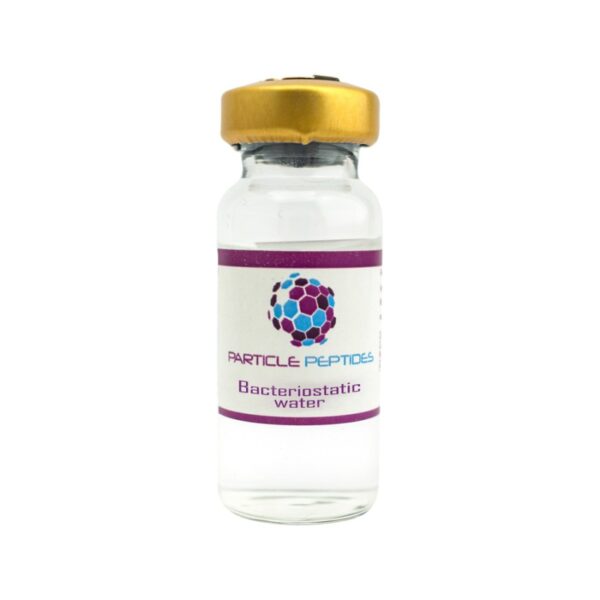
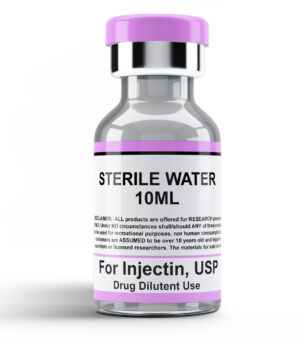
A peptide serum clinic or medical aesthetics practice offers pharmaceutical-grade serums that go beyond what over-the-counter products can legally contain. These formulas often include higher concentrations of Copper Peptide (GHK-Cu), growth factor peptides, and injectable-adjacent compounds reconstituted using bacteriostatic water — a sterile water preserved with 0.9% benzyl alcohol that prevents microbial contamination in multi-use vials.
If you are exploring compounded peptide solutions (such as those used in mesotherapy or micro-needling protocols), always verify that reconstitution uses bacteriostatic water — never tap or distilled water, which lack the preservative properties needed for safe multi-dose use.
Ideal for: Patients under dermatologist supervision, those targeting significant skin laxity, or post-procedure recovery.
How to Apply a Peptide Serum for Face: Step-by-Step
Application technique significantly impacts how well peptides penetrate and perform. Follow this protocol for best results:
- Cleanse thoroughly with a pH-balanced, sulfate-free cleanser. Pat skin 80% dry — slightly damp skin enhances serum absorption.
- Apply toner or hydrating essence first if your routine includes one. Allow 30 seconds to absorb.
- Dispense 2–4 drops of your peptide serum for face into clean palms.
- Press — do not rub — the serum into the skin using your fingertips. Work from the centre of the face outward.
- Wait 60–90 seconds before layering additional products. This gives peptides time to bind to receptor sites.
- Follow with moisturiser to seal in the active ingredients, then SPF 30+ in the morning.
Frequency and Timing
- Use twice daily (AM and PM) for maximum collagen stimulation benefits.
- If using with AHAs or BHAs, apply the peptide serum in the evening after acids have been fully absorbed, or use on alternate mornings.
- Introduce slowly if your skin is reactive — start with nightly use for one week before adding AM application.
What to Look for on the Ingredients Label
Not all peptide serums are equal. The following checklist helps you separate evidence-backed formulas from marketing-forward products.
High-Performance Peptide Ingredients to Prioritise
- Palmitoyl Tripeptide-1 and Palmitoyl Tetrapeptide-7 — matrikine peptides with strong collagen stimulation data.
- Acetyl Hexapeptide-3 or Acetyl Octapeptide-3 — neurotransmitter inhibitors for expression line softening.
- GHK-Cu (Copper Peptide) — supports wound healing, skin regeneration, and antioxidant activity.
- Palmitoyl Pentapeptide-4 (Matrixyl) — one of the most studied anti-aging peptides with published clinical trial data.
- Snap-8 (Acetyl Glutamyl Heptapeptide-1) — a newer, longer-chain peptide with promising expression line data.
Formulation Red Flags
- A very low peptide concentration buried at the bottom of a long ingredient list.
- High fragrance load, which destabilises many peptide complexes and sensitises skin.
- Alcohol (ethanol or denatured alcohol) listed in the first six ingredients.
- pH above 7 for peptide serums that should sit at 5.0–6.5 for optimal skin penetration.
Expert Perspective: What Dermatologists Say About Peptide Serums
“Peptides represent one of the few categories in cosmeceuticals where the mechanism of action is genuinely understood at a cellular level. When I recommend a topical peptide serum to patients, I look for formulas with multiple peptide classes — not just one — because collagen production is a multi-step process and different peptides target different steps in that cascade.”
— Board-Certified Dermatologist perspective, reflective of consensus positions in the Journal of Drugs in Dermatology (2021 peptide review).
In clinical practice, peptides are also combined with micro-needling sessions where the channels created by the needles allow larger peptide molecules to bypass the stratum corneum entirely — dramatically increasing delivery. At a peptide serum clinic, this technique can accelerate visible results from the standard 6–8 week timeline to as little as 2–3 weeks.
Who Should Use a Peptide Serum for Face?
Peptide serums are among the most universally tolerated active ingredients in skincare. They are appropriate for:
- Ages 25 and up for preventative anti-aging and collagen maintenance.
- All skin types — dry, oily, combination, normal, and sensitive.
- Post-treatment skin recovery (post-laser, post-peel, post-micro-needling).
- Anyone unable to tolerate retinol who wants a gentler collagen-stimulating alternative.
- Pregnant or breastfeeding individuals (generally considered safe — always confirm with your doctor).
When Peptides May Not Be the Right First Step
- If you have active, inflamed acne — address the infection first before adding peptide serums.
- If you have open wounds or broken skin — allow full healing before introducing new actives.
Conclusion
A well-formulated peptide serum for face is one of the smartest long-term investments you can make in your skin. The science is solid, the tolerance profile is excellent, and the variety of options — from the budget-friendly naturium peptide serum to the multi-peptide precision of the cosrx peptide serum to professional formulas mixed with bacteriostatic water at a peptide serum clinic — means there is a quality option at every budget and concern level.
Commit to twice-daily use, pair it with a solid moisturiser and SPF, and give your skin the 6 to 8 weeks it needs to show the full picture. Your future skin will thank you.
Frequently Asked Questions (FAQ)
Q1: How long does it take for a peptide serum for face to show results? Most users notice measurable improvements in skin texture and hydration within 2–4 weeks. Visible reductions in fine lines and improved firmness typically appear at the 6–8 week mark, with continued improvement over 3–6 months of consistent daily use.
Q2: Can I use a peptide serum with retinol? Yes. Peptides and retinol are complementary, not antagonistic. The most effective approach is to use retinol in the evening and your peptide serum in the morning — or apply retinol first in the evening and follow with the peptide serum once fully absorbed. Avoid mixing them simultaneously if you have sensitive skin.
Q3: What is bacteriostatic water and why is it used with some peptide serums? Bacteriostatic water is sterile water preserved with 0.9% benzyl alcohol. It is used to reconstitute lyophilised (freeze-dried) peptide powders — common in clinical and research-grade formulas — because the preservative prevents bacterial growth across multiple uses. It is not used in standard over-the-counter peptide serums.
Q4: Is the naturium peptide serum or the COSRX peptide serum better for anti-aging? Both are excellent entry-level options but serve slightly different needs. The naturium peptide serum excels in accessibility and works well as a daily multi-use serum. The cosrx peptide serum provides a broader 23-peptide complex with added barrier-repair benefits from snail filtrate — making it a stronger choice for aging skin with barrier compromise.
Q5: Are peptide serums safe for sensitive or rosacea-prone skin? Yes — peptides are among the gentlest active ingredients available. Unlike retinoids or strong exfoliating acids, they do not typically cause irritation, redness, or purging. For rosacea-prone skin, choose a fragrance-free formula with a slightly acidic pH (around 5.5) and avoid any serum with high alcohol or essential oil content.
Reviews
There are no reviews yet.