Peptide Serum TB-500(10mg)+BPC-157(10mg)+GHK-Cu(50mg): The Expert’s Complete Guide 🧬
Introduction
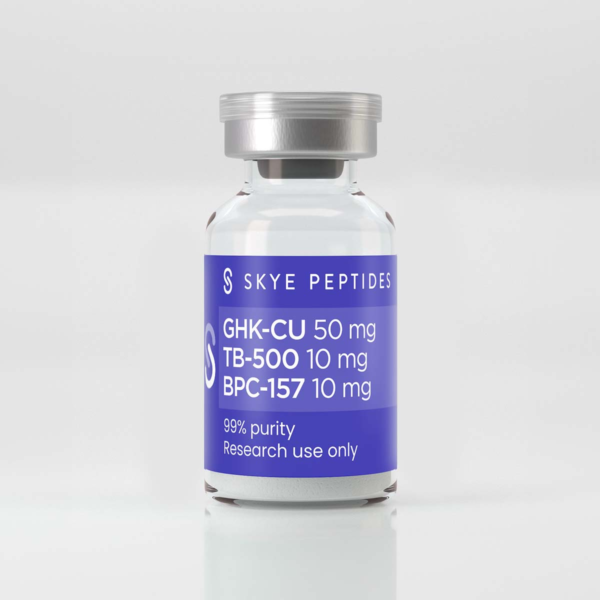
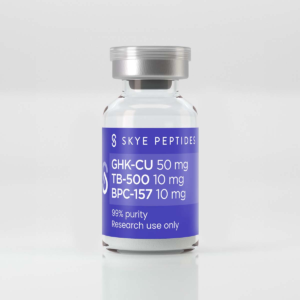
If you’ve been researching advanced recovery and regeneration, the peptide serum TB-500(10mg)+BPC-157(10mg)+GHK-Cu(50mg) is likely the most talked-about triple-stack in both clinical and performance settings today. This isn’t hype — it’s biochemistry. These three peptides target tissue repair, inflammation control, and cellular regeneration from three distinct but complementary angles, making their combination far more powerful than any single compound alone. Whether you’re exploring this through a peptide serum clinic or researching self-administered protocols, this guide gives you everything you need to make an informed, expert-backed decision. 💡
What Is the Peptide Serum TB-500(10mg)+BPC-157(10mg)+GHK-Cu(50mg)?
This is a synergistic triple-peptide formulation combining three of the most researched bioregulatory peptides in modern medicine and aesthetic science:
- TB-500 (Thymosin Beta-4, 10mg) — A naturally occurring peptide found in virtually all human cells. It regulates actin, a protein critical to cell structure and movement.
- BPC-157 (Body Protective Compound, 10mg) — A 15-amino-acid sequence derived from a protein found in human gastric juice. It has demonstrated remarkable tissue-healing properties in peer-reviewed animal studies.
- GHK-Cu (Copper Peptide, 50mg) — A naturally occurring tripeptide-copper complex found in human plasma. Concentrations decline sharply with age, making supplementation increasingly relevant after age 30. 📉
Together, they form what researchers and clinicians increasingly call a “repair, protect, and renew” protocol.
How Each Peptide Works: The Science Behind the Stack 🔬
TB-500(10mg): Cellular Mobility and Systemic Repair
TB-500 promotes upregulation of actin, enabling faster cell migration to injury sites. In plain terms: it helps your body send the right repair cells to the right location, faster.
Key mechanisms:
- Promotes angiogenesis (new blood vessel formation)
- Reduces inflammation at injury sites
- Accelerates wound closure and muscle fiber recovery
- Crosses the blood-brain barrier — showing neuroprotective potential in early research
A 2010 study published in the Annals of the New York Academy of Sciences confirmed Thymosin Beta-4’s role in promoting cardiac repair after injury, adding cardioprotective significance to its existing musculoskeletal applications.
BPC-157(10mg): The Body’s Own Repair Signal
BPC-157 is arguably the most clinically studied peptide in this stack. It has shown consistent healing effects across tendon, ligament, muscle, bone, and gut tissue in controlled studies.
Key mechanisms:
- Stimulates growth hormone receptors in tendon fibroblasts
- Accelerates collagen synthesis
- Reduces nitric oxide-driven inflammation
- Demonstrates gastroprotective effects, protecting gut lining integrity
🏥 From a peptide serum clinic perspective, BPC-157 is frequently recommended post-surgery, post-injury, or for chronic inflammatory conditions like tendinopathy and IBD-related gut damage.
GHK-Cu(50mg): Skin, Stem Cells, and Longevity Signaling
At 50mg — the highest dose in this stack — GHK-Cu reflects its central role in cellular renewal and anti-aging. This copper peptide activates over 4,000 genes related to tissue remodeling and regeneration, according to research by Dr. Loren Pickart, the scientist who first isolated it in 1973.
Key mechanisms:
- Stimulates collagen, elastin, and glycosaminoglycan production
- Activates stem cell differentiation in skin and nerve tissue
- Reduces oxidative stress and inflammatory cytokines
- Improves skin density, elasticity, and barrier function
GHK-Cu is why premium peptide serum formulas often outperform even the ordinary multi-peptide eye serum or similar retail options — the concentration and bioavailability in clinical-grade preparations are simply in a different class. 💎
📊 Infographic: How the Triple Stack Works (Step-by-Step)
━━━━━━━━━━━━━━━━━━━━━━━━━━━━━━━━━━━━━━━━━━━━━━━━━━
  HOW PEPTIDE SERUM TB-500 + BPC-157 + GHK-Cu WORKS
━━━━━━━━━━━━━━━━━━━━━━━━━━━━━━━━━━━━━━━━━━━━━━━━━━

STEP 1 — INJURY / AGING TRIGGER
  ↓ Tissue damage, inflammation, or age-related decline detected

STEP 2 — TB-500 ACTIVATES
  ↓ Upregulates actin → Mobilizes repair cells to the site
  ↓ Promotes new blood vessel growth (angiogenesis)

STEP 3 — BPC-157 AMPLIFIES HEALING
  ↓ Stimulates collagen production in tendons & ligaments
  ↓ Reduces inflammatory cytokines → Calms chronic inflammation
  ↓ Protects gut lining integrity

STEP 4 — GHK-Cu REGENERATES & RENEWS
  ↓ Activates 4,000+ regenerative genes
  ↓ Boosts collagen, elastin, stem cell activity
  ↓ Antioxidant protection → Slows cellular aging

STEP 5 — OUTCOME
  ✅ Faster injury recovery
  ✅ Reduced chronic inflammation
  ✅ Improved skin density & texture
  ✅ Enhanced systemic repair signaling
━━━━━━━━━━━━━━━━━━━━━━━━━━━━━━━━━━━━━━━━━━━━━━━━━━
Benefits of the TB-500(10mg)+BPC-157(10mg)+GHK-Cu(50mg) Stack 💪
Physical Recovery & Performance
- ⚡ Accelerated recovery from muscle tears, ligament sprains, and joint injuries
- 🦴 Bone healing support — BPC-157 has shown osteogenic activity in rodent fracture models
- 🧠 Potential neuroprotective effects from TB-500’s CNS penetration
- 🏋️ Reduced downtime between intense training sessions
Skin & Aesthetic Benefits
- ✨ Significant improvement in skin firmness and collagen density (GHK-Cu)
- 🎯 Reduction in fine lines, wrinkles, and skin laxity
- 🔄 Enhanced wound and scar healing at the topical and systemic level
- 💧 Improved hydration through glycosaminoglycan stimulation
Systemic Health
- 🔥 Anti-inflammatory action across multiple tissue types
- 🫀 Cardiac tissue support (TB-500)
- 🥗 Gut lining repair and gastric protection (BPC-157)
- 🛡️ Antioxidant defense and reduced oxidative cellular damage (GHK-Cu)
Pros & Cons: Honest Assessment ⚖️
PROS ✅
- Three complementary mechanisms in one formulation — no redundancy
- Strong peer-reviewed research base, especially for BPC-157 and GHK-Cu
- Suitable for both injury recovery and proactive anti-aging protocols
- GHK-Cu at 50mg offers a clinically meaningful dose versus low-concentration retail options like the ordinary multi-peptide eye serum
- Can be administered subcutaneously or used topically depending on formulation
CONS ❌
- Most clinical evidence comes from animal studies; large-scale human RCTs are still limited
- Requires proper storage (refrigeration, light protection)
- Quality sourcing is critical — pharmaceutical-grade peptides vary significantly from grey-market suppliers
- Must be administered under qualified supervision for injectable protocols
- Not yet approved by the FDA as a pharmaceutical treatment
Dosing Protocol: What Peptide Serum Clinics Recommend 🏥
Dosing for the peptide serum TB-500(10mg)+BPC-157(10mg)+GHK-Cu(50mg) stack varies by goal. The following reflects typical clinical guidance — always consult a licensed practitioner before starting any peptide protocol.
Loading Phase (Weeks 1–4):
- TB-500: 2–2.5mg, 2× per week (subcutaneous)
- BPC-157: 250–500mcg daily (subcutaneous or oral)
- GHK-Cu: Applied topically or 1–2mg subcutaneous, 3× per week
Maintenance Phase (Weeks 5–12):
- TB-500: 2mg, 1× per week
- BPC-157: 250mcg daily or 5 days on / 2 days off
- GHK-Cu: Topical daily application or 1mg subcutaneous, 2× per week
Cycling: Most practitioners recommend 8–12 week cycles with 4–6 weeks off to prevent receptor desensitization.
🔑 Expert Tip: The 50mg GHK-Cu dose in this formulation is significantly higher than what you’ll find in over-the-counter products like the ordinary multi-peptide eye serum (which typically contains trace concentrations). For clinically meaningful skin regeneration, therapeutic-grade dosing matters enormously.
Expert Perspective: Real-World Application
Dr. Sara Gottfried, a Harvard-trained integrative medicine physician, has publicly discussed peptide therapy’s role in biological age reversal, noting that GHK-Cu specifically plays a foundational role in restoring youthful gene expression patterns as people age. Meanwhile, research teams in Croatia and the US have collectively published over 100 studies on BPC-157 alone since the 1990s, consistently documenting tissue-healing effects across gastrointestinal, musculoskeletal, and neurological systems.
Athletes in professional sports recovery programs and longevity clinic patients represent the two primary real-world user groups driving interest in the peptide serum TB-500(10mg)+BPC-157(10mg)+GHK-Cu(50mg) formulation. Both groups share a common goal: maximizing the body’s natural repair capacity. 🏆
In premium peptide serum clinic settings, this stack is increasingly being positioned alongside PRP (platelet-rich plasma) therapy and stem cell protocols as a first-line regenerative intervention — particularly for patients with chronic tendon injuries or accelerated skin aging.
How to Choose a Reputable Peptide Serum Clinic 🏆
Not all clinics — or peptide products — are equal. Here’s what to look for:
- Third-party tested peptides — insist on a Certificate of Analysis (CoA) from an accredited lab
- Licensed medical oversight — a prescribing physician should supervise all injectable protocols
- Proper cold-chain storage — peptides degrade rapidly without refrigeration
- Transparent sourcing — US or EU pharmaceutical-grade manufacturing preferred
- Individualized protocols — avoid clinics that offer one-size-fits-all dosing without bloodwork or health history review
TB-500+BPC-157+GHK-Cu vs. Retail Alternatives 🔍
| Feature | Peptide Serum TB-500+BPC-157+GHK-Cu | The Ordinary Multi-Peptide Eye Serum |
|---|---|---|
| GHK-Cu concentration | Up to 50mg (therapeutic) | Trace amounts (cosmetic) |
| BPC-157 included | ✅ Yes | ❌ No |
| TB-500 included | ✅ Yes | ❌ No |
| Systemic repair action | ✅ Yes | ❌ No |
| Clinical oversight needed | ✅ Yes | ❌ No |
| Target use | Recovery + anti-aging | Surface skincare only |
This comparison makes clear that while products like the ordinary multi-peptide eye serum serve a valid cosmetic role, they are fundamentally different from a therapeutic-grade peptide serum stack in both mechanism and magnitude of effect.
Conclusion 🎯
The peptide serum TB-500(10mg)+BPC-157(10mg)+GHK-Cu(50mg) represents one of the most scientifically coherent combinations in the peptide space. Each compound has its own well-documented mechanism. Together, they address the full regenerative cascade — from mobilizing repair cells (TB-500), to rebuilding structural tissue (BPC-157), to resetting gene expression toward a younger biological state (GHK-Cu).
Whether you’re a competitive athlete recovering from injury, a longevity-focused individual, or someone exploring what a quality peptide serum clinic can offer beyond what retail skincare provides, this triple stack deserves serious attention. 🧬
As always: quality sourcing, proper dosing, and qualified medical supervision are non-negotiable. The science is there. Work with the right team, and the results can be remarkable.
❓ FAQ Schema Section
Q1: What is the peptide serum TB-500(10mg)+BPC-157(10mg)+GHK-Cu(50mg) used for? A: This triple-peptide formulation is used to accelerate tissue repair, reduce chronic inflammation, support skin regeneration, and promote systemic healing. It combines three complementary peptides that target different stages of the body’s repair process, making it popular in both sports recovery and anti-aging medicine.
Q2: How is the TB-500+BPC-157+GHK-Cu peptide serum administered? A: Depending on the clinical formulation, this peptide serum can be administered subcutaneously (via injection) or topically. Injectable protocols are typically supervised by a licensed physician at a peptide serum clinic. Dosing cycles generally run 8–12 weeks followed by a rest period.
Q3: Is the peptide serum TB-500+BPC-157+GHK-Cu safe? A: These peptides have strong safety profiles in published research, with no significant adverse effects reported in animal studies at therapeutic doses. However, long-term human clinical trials are still limited. All peptide protocols should be supervised by a qualified healthcare professional and sourced from third-party tested, pharmaceutical-grade suppliers.
Q4: How does this peptide serum compare to products like the ordinary multi-peptide eye serum? A: There is a significant difference in both concentration and mechanism. The ordinary multi-peptide eye serum is a cosmetic product with trace-level peptide concentrations designed for surface skin improvement. The TB-500+BPC-157+GHK-Cu formulation is a therapeutic-grade peptide serum with clinically dosed active compounds targeting systemic tissue repair — a fundamentally different category of intervention.
Q5: How long does it take to see results from the TB-500+BPC-157+GHK-Cu stack? A: Most users and clinicians report initial improvements in recovery time and energy within 2–4 weeks. Skin and connective tissue benefits, particularly from GHK-Cu, are typically more prominent after 6–8 weeks of consistent use. Full results are generally assessed at the end of a complete 12-week cycle.
Reviews
There are no reviews yet.