🧬 Peptide Serum Thymosin Alpha-1: The Complete Guide to Immune Optimization (2025)
Introduction: Why Peptide Serum Thymosin Alpha-1 Is Changing Immune Medicine
Peptide serum Thymosin Alpha-1 (Tα1) is one of the most clinically validated immunomodulatory compounds in modern peptide medicine. First isolated from thymic tissue in 1977 by Dr. Allan Goldstein at Tulane University, it has since accumulated decades of peer-reviewed research across viral infections, cancer immunotherapy, and autoimmune conditions.
Unlike trendy wellness supplements with minimal clinical backing, Thymosin Alpha-1 is a 28-amino-acid peptide that your own thymus gland naturally produces — just in declining quantities as you age. By your 60s, thymic output drops by roughly 75% compared to peak levels in early childhood, which directly correlates with reduced immune surveillance and increased infection susceptibility.
The science here isn’t speculative. It’s the foundation of why Tα1 is FDA-approved (as Zadaxin) in over 35 countries.
What Is Thymosin Alpha-1? The Science Behind the Peptide 🔬
Thymosin Alpha-1 belongs to the thymosin family — a group of peptides originally extracted from thymic tissue that regulate T-cell maturation and immune activation. It acts as a biological signal, essentially telling your immune system to “wake up and differentiate.”
At the molecular level, Tα1 works by:
- Activating dendritic cells, which present antigens to T-cells
- Upregulating MHC Class I and II expression, improving how the immune system identifies threats
- Stimulating Th1 cytokine production (IFN-γ, IL-2), which coordinates the anti-viral and anti-tumor immune response
- Reducing immune suppression signals like IL-10 that cancer cells and chronic viruses use to hide
This multi-mechanism action is why Thymosin Alpha-1 is studied across such a wide range of conditions — from hepatitis B and C to COVID-19 and melanoma.
Who Uses Peptide Serum Thymosin Alpha-1? Real-World Applications 💡
Peptide serum clinics have expanded Tα1 use well beyond hospital oncology departments. Today, clinically supervised protocols target:
1. Chronic viral infections Hepatitis B patients in controlled trials showed significant viral load reduction with Tα1 monotherapy or as an adjunct to antiviral drugs. A 2020 meta-analysis in Journal of Hepatology found Tα1 significantly improved rates of HBsAg seroconversion.
2. Post-COVID immune dysfunction Long COVID patients with documented immune dysregulation (low NK cell count, elevated inflammatory markers) have been enrolled in Tα1 trials in Italy and China. Early data is promising for reducing inflammatory burden and restoring T-cell counts.
3. Cancer immunotherapy support In melanoma and non-small cell lung cancer, Tα1 is used alongside checkpoint inhibitors to prime the immune environment. Chinese oncology centers have used Tα1 for over 20 years as a supportive immune adjunct.
4. Preventive immune optimization High-performance athletes, executives, and longevity medicine patients use Tα1 through licensed peptide serum clinics to maintain immune vigilance — especially during periods of high stress, travel, or infection exposure.
Benefits of Thymosin Alpha-1 Peptide Serum ✅
Here’s what the clinical literature consistently supports:
| Benefit | Evidence Level | Notes |
|---|---|---|
| T-cell activation | Strong | Multiple RCTs |
| Viral load reduction (Hep B/C) | Strong | FDA-approved indication in 35+ countries |
| Improved vaccine response | Moderate | Studied in HIV and elderly populations |
| Anti-tumor immune priming | Moderate | Phase II/III data for melanoma and lung cancer |
| Reduced inflammatory cytokines | Moderate | Applicable in sepsis and autoimmune disease |
| Longevity/immune aging support | Emerging | Preclinical + early human data |
Pros ✔️
- Decades of clinical research and safety data
- Well-tolerated with minimal side effects in trials
- Works synergistically with vaccines and checkpoint inhibitors
- Targets root immune dysfunction, not just symptoms
- Available through licensed peptide serum clinic providers worldwide
Cons ⚠️
- Requires subcutaneous injection (not an oral peptide)
- Not widely available through conventional pharmacies
- Cost can be significant without insurance coverage
- Requires physician supervision for proper dosing protocol
- Results vary based on baseline immune status
How to Use Peptide Serum Thymosin Alpha-1: Step-by-Step Protocol 💉
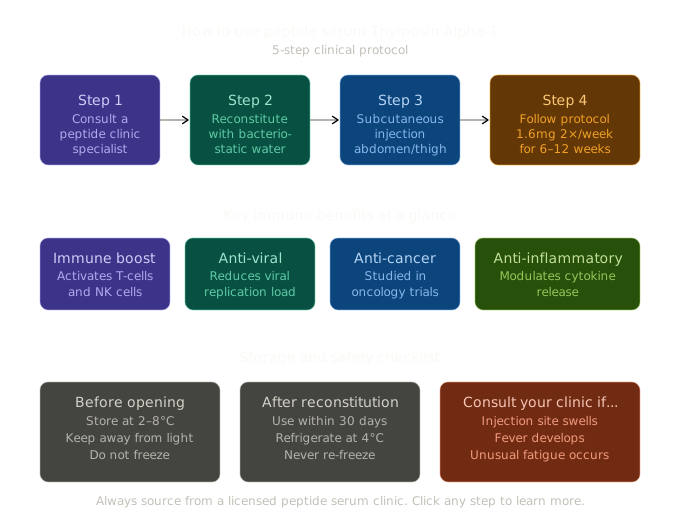
(See the infographic above for a visual breakdown of this protocol)
The most commonly studied clinical dosing protocol is:
Standard immune protocol:
- Dose: 1.6 mg subcutaneous injection
- Frequency: Twice weekly (e.g., Monday and Thursday)
- Duration: 6 to 12 weeks
- Common cycle: Followed by a 4-week off period before reassessment
Reconstitution instructions:
- Use bacteriostatic water (not sterile water) for reconstitution to allow multi-use vials
- Inject the water slowly along the vial wall — do not shake
- Allow to dissolve fully (usually 2–3 minutes)
- Draw the required dose using an insulin-gauge syringe (29–31g)
- Inject subcutaneously into the abdomen or outer thigh, rotating sites
Storage: Unreconstituted vials store at 2–8°C. After reconstitution, use within 30 days and keep refrigerated. Never freeze a reconstituted vial.
⚠️ Important: Only pursue Thymosin Alpha-1 through a licensed peptide serum clinic or physician. Self-sourcing from unregulated vendors introduces serious contamination and dosing risks.
Peptide Serum Thymosin Alpha-1 vs. Other Peptide Serums 🧪
Patients often ask how Tα1 compares with other popular peptide serums — including the best copper peptide serum products used in aesthetic and regenerative medicine.
Here’s a clear distinction:
Thymosin Alpha-1 → Systemic immunomodulator. Acts on T-cells, NK cells, and cytokine networks throughout the body. Delivered via injection. Requires physician oversight. Primarily therapeutic.
Copper peptide serums (e.g., GHK-Cu) → Topical or intradermal application. Targets skin collagen synthesis, wound healing, and local anti-inflammatory activity. The best copper peptide serum products are used for skin rejuvenation, hair follicle stimulation, and scar remodeling — not systemic immune modulation.
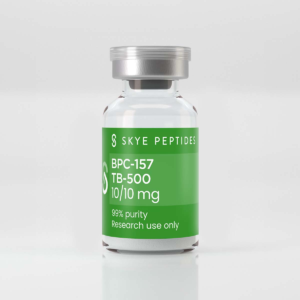
BPC-157 → Another injectable peptide serum with strong tissue repair and gut healing properties. Also used at peptide serum clinics, but mechanistically different from Tα1.
TB-500 (Thymosin Beta-4) → Same thymosin family as Tα1, but primarily targets actin remodeling and tissue repair rather than adaptive immunity.
Each of these has distinct, validated applications. Choosing the right one requires clinical evaluation of your specific goals.
Expert Perspective: What Physicians at Peptide Serum Clinics Say 🩺
Dr. Edwin Lee, an endocrinologist and founding member of the Institute for Hormonal Balance in Orlando, has written extensively about peptide medicine integration. His clinical experience with Thymosin Alpha-1 emphasizes what the research supports: it works best as part of a comprehensive immune optimization protocol — not as a standalone “magic bullet.”
A framework used in leading peptide serum clinics includes:
- Baseline bloodwork — NK cell count, CD4/CD8 ratio, CRP, ferritin, white blood cell differential
- Identify the immune deficit — Is it immunosenescence? Chronic viral suppression? Autoimmune dysregulation?
- Tα1 protocol initiation — Dosing calibrated to patient weight and immune status
- Adjunct support — Zinc, Vitamin D3, and sleep optimization to amplify Tα1 response
- Follow-up labs — Recheck immunological markers at 6 and 12 weeks
This structured approach is what separates responsible peptide serum clinic care from casual peptide experimentation.
Who Should Avoid Thymosin Alpha-1? ⛔
Peptide serum Thymosin Alpha-1 is generally well tolerated, but it is not appropriate for everyone:
- Organ transplant recipients on immunosuppressive regimens — Tα1 may counteract tacrolimus or cyclosporine
- Active autoimmune flares where immune upregulation could worsen symptoms
- Pregnancy and breastfeeding — insufficient safety data
- Known thymic hyperplasia — rare contraindication
- Anyone without a confirmed clinical diagnosis guiding use
Always disclose your full medication list to your prescribing physician before beginning any peptide serum protocol.
Conclusion: Is Peptide Serum Thymosin Alpha-1 Right for You? 🎯
Peptide serum Thymosin Alpha-1 represents one of the most evidence-backed tools in immunological medicine today. Whether you’re managing a chronic viral condition, supporting cancer treatment, or pursuing proactive immune longevity, Tα1 offers a mechanism-driven approach grounded in 40+ years of clinical research.
The key is access through qualified professionals. Seek out a licensed peptide serum clinic with physician oversight, proper lab monitoring, and pharmaceutical-grade sourcing. Done right, Thymosin Alpha-1 isn’t experimental — it’s precision immunotherapy backed by global clinical approval.
Your immune system declines with age. Thymosin Alpha-1 is one of the few tools that directly addresses why.
📋 Schema-Ready FAQ Section
Q1: What is peptide serum Thymosin Alpha-1 used for? A: Peptide serum Thymosin Alpha-1 is used to enhance immune function, reduce viral load in chronic infections like hepatitis B and C, support cancer immunotherapy, and restore immune balance in conditions caused by immune senescence or dysfunction. It is FDA-approved as Zadaxin in over 35 countries.
Q2: How is Thymosin Alpha-1 administered? A: Thymosin Alpha-1 is administered as a subcutaneous injection, typically at a dose of 1.6 mg twice per week for 6 to 12 weeks. It must be reconstituted with bacteriostatic water before injection. All protocols should be supervised by a physician at a licensed peptide serum clinic.
Q3: What are the side effects of Thymosin Alpha-1 peptide serum? A: Clinical trials report Thymosin Alpha-1 as well-tolerated in most patients. The most common side effects are mild injection site reactions such as redness or swelling. Systemic side effects are rare. As with all injectable peptides, there is a risk of infection if sterile technique is not followed properly.
Q4: How does Thymosin Alpha-1 differ from copper peptide serum? A: Thymosin Alpha-1 is a systemic immunomodulatory peptide delivered via injection that activates T-cells and modulates cytokine signaling throughout the body. The best copper peptide serum products (such as GHK-Cu) are typically applied topically to target skin collagen, wound healing, and hair follicle regeneration. They serve different clinical purposes.
Q5: Where can I get Thymosin Alpha-1 peptide serum? A: Thymosin Alpha-1 should only be sourced through a licensed peptide serum clinic or compounding pharmacy with a valid physician’s prescription. Pharmaceutical-grade Thymosin Alpha-1 (Zadaxin) is available in many countries. Avoid unregulated online vendors, as product purity and sterility cannot be guaranteed without third-party testing certificates.
Reviews
There are no reviews yet.