Peptide Serum BPC+TB: The Most Powerful Healing Combination in Regenerative Medicine 🧬
Introduction
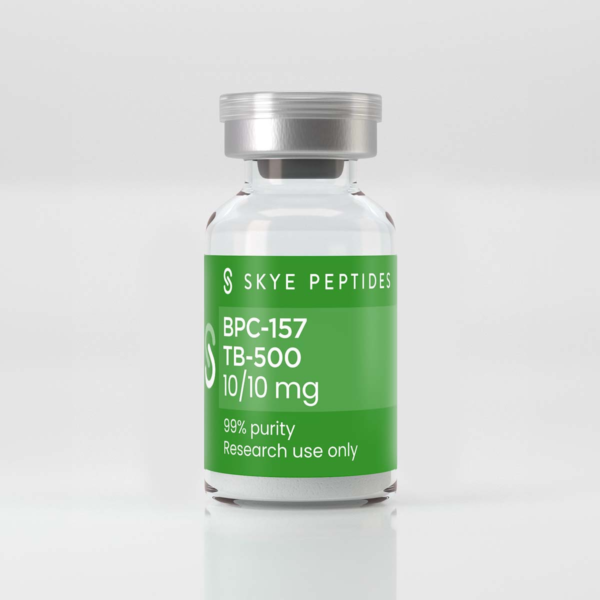
Peptide serum BPC+TB is rapidly becoming one of the most sought-after formulations in regenerative medicine, sports recovery, and advanced anti-aging clinics worldwide. Combining two of the most clinically researched peptides available — BPC-157 and TB-500 — this synergistic serum delivers healing, repair, and regeneration at a level that no single compound can match alone. 💉🔬
Whether you’re an athlete recovering from a stubborn injury, a clinician managing chronic inflammation cases, or someone searching for peptides near me to support long-term tissue health, understanding BPC+TB is essential. This guide breaks down the science, the protocols, the real-world results, and everything you need to know to use this formulation effectively and safely.
What Is Peptide Serum BPC+TB? 🧪
BPC+TB refers to the combined formulation of two distinct but highly complementary peptides:
BPC-157 — Body Protection Compound 157 — is a synthetic pentadecapeptide derived from a protective protein found naturally in human gastric juice. It consists of 15 amino acids and has been studied extensively for its ability to accelerate healing in tendons, ligaments, muscles, bone, and gut tissue.
TB-500 — Thymosin Beta-4 — is a naturally occurring peptide present in virtually all human and animal cells. It plays a foundational role in actin regulation, which governs cell migration, tissue repair, and new blood vessel formation (angiogenesis).
Together, peptide serum BPC+TB creates a dual-mechanism healing environment that addresses tissue repair from multiple biological angles simultaneously. This is what makes it exceptional — and why regenerative medicine practitioners increasingly prescribe it as a first-line recovery protocol.
The Science: Why BPC and TB-500 Work Better Together 🔬
BPC-157: The Tissue Repair Specialist
BPC-157 works through several well-documented mechanisms:
- Upregulates growth hormone receptors in tendon and muscle fibroblasts, accelerating structural tissue regeneration
- Modulates nitric oxide (NO) synthesis, improving blood flow to damaged tissue areas
- Inhibits pro-inflammatory cytokines including TNF-α and IL-6, reducing chronic and acute inflammation
- Stimulates angiogenesis — new capillary formation — ensuring damaged tissue receives adequate oxygen and nutrients
- Protects and heals the gut lining, making it particularly valuable for systemic inflammation originating in the gastrointestinal tract
Research published in the Journal of Physiology — Paris demonstrated that BPC-157 accelerated tendon-to-bone healing in animal models by up to 4x compared to controls. Multiple studies have confirmed its efficacy across muscle tears, ligament injuries, nerve damage, and even traumatic brain injury models.
TB-500: The Cellular Mobility Master
TB-500’s primary mechanism revolves around its ability to upregulate actin — one of the two key proteins (alongside myosin) that form the contractile apparatus in every cell.
By promoting actin polymerization, TB-500:
- Dramatically accelerates cell migration to injury sites
- Promotes the formation of new blood vessels in damaged tissue
- Reduces scar tissue formation during healing
- Supports differentiation of stem cells into tissue-specific repair cells
- Exhibits powerful systemic anti-inflammatory effects
A landmark study in the Annals of the New York Academy of Sciences confirmed TB-500’s ability to promote cardiac tissue regeneration post-injury — signaling mechanisms equally applicable to musculoskeletal and dermal repair.
Why the Combination Is Superior 💡
BPC-157 and TB-500 operate through partially overlapping but largely distinct pathways:
┌─────────────────────────────────────────────────────────────────┐
│        BPC+TB SYNERGY MAP — Dual Mechanism Healing              │
├───────────────────────┬─────────────────────────────────────────┤
│ BPC-157               │ TB-500                                  │
├───────────────────────┼─────────────────────────────────────────┤
│ GH receptor upregul.  │ Actin polymerization                    │
│ Nitric oxide modulation│ Cell migration acceleration            │
│ TNF-α / IL-6 inhibit. │ Stem cell differentiation              │
│ Gut barrier repair    │ Scar tissue reduction                   │
│ Tendon/ligament regen │ Angiogenesis (new vessels)             │
│ Nerve repair support  │ Systemic anti-inflammation             │
├───────────────────────┴─────────────────────────────────────────┤
│ COMBINED EFFECT: Faster, more complete tissue regeneration      │
│ across musculoskeletal, dermal, neural & vascular systems       │
└─────────────────────────────────────────────────────────────────┘
When used together in peptide serum BPC+TB, these two compounds essentially cover every phase of the healing cascade — from initial inflammation control through to structural remodeling and vascular restoration.
✦ INFOGRAPHIC: How to Use Peptide Serum BPC+TB — Step by Step
┌──────────────────────────────────────────────────────────────────┐
│           HOW TO USE PEPTIDE SERUM BPC+TB CORRECTLY              │
├─────────┬────────────────────────────────────────────────────────┤
│ STEP 1  │ 🩺 CONSULT FIRST                                        │
│         │ Always begin with a licensed clinician or peptide      │
│         │ specialist. Dosing varies by bodyweight, injury        │
│         │ severity, and health status. Never self-prescribe.     │
├─────────┼────────────────────────────────────────────────────────┤
│ STEP 2  │ 💧 RECONSTITUTE PROPERLY                               │
│         │ Use bacteriostatic water for injection (BW).           │
│         │ Add BW slowly to the lyophilized peptide powder.       │
│         │ Gently swirl — never shake. Store reconstituted        │
│         │ peptide refrigerated at 2–8°C. Use within 30 days.    │
├─────────┼────────────────────────────────────────────────────────┤
│ STEP 3  │ 📏 CALCULATE YOUR DOSE                                  │
│         │ Typical research/clinical range:                       │
│         │ BPC-157: 250–500 mcg/day                               │
│         │ TB-500: 2–2.5 mg twice weekly (loading phase)          │
│         │         1–1.5 mg weekly (maintenance phase)            │
│         │ Confirm exact dosing with your prescribing clinician.  │
├─────────┼────────────────────────────────────────────────────────┤
│ STEP 4  │ 💉 ADMINISTER CORRECTLY                                 │
│         │ Most common: subcutaneous (SC) injection near the      │
│         │ injury site or abdomen. Use insulin syringes           │
│         │ (29–31 gauge). Rotate injection sites daily.           │
│         │ Some protocols use intranasal BPC-157 (less invasive). │
├─────────┼────────────────────────────────────────────────────────┤
│ STEP 5  │ 📅 FOLLOW THE PROTOCOL TIMELINE                         │
│         │ Loading phase: 4–6 weeks (higher doses, more frequent) │
│         │ Maintenance phase: 4–8 weeks (reduced frequency)       │
│         │ Off cycle: 4–6 weeks minimum before resuming           │
├─────────┼────────────────────────────────────────────────────────┤
│ STEP 6  │ 📊 TRACK AND ASSESS                                     │
│         │ Log pain levels, range of motion, strength metrics     │
│         │ weekly. Book clinical reassessment at week 4 and 8.   │
│         │ Adjust protocol based on measurable progress.          │
└─────────┴────────────────────────────────────────────────────────┘

DURATION: 8–12 weeks total (loading + maintenance)
FIRST RESULTS: 2–4 weeks for inflammation reduction
PEAK RESULTS: 8–12 weeks for structural tissue repair
Key Benefits of BPC+TB Peptide Serum 🏆
The therapeutic applications of BPC+TB are broad and well-supported:
Musculoskeletal Repair Tendons, ligaments, and muscles all respond to BPC+TB. Clinical users report resolution of chronic tendinopathies — including rotator cuff, Achilles, and patellar tendon injuries — that failed to respond to conventional physiotherapy, PRP, or corticosteroid treatment.
Post-Surgical Recovery Acceleration Surgeons working in regenerative medicine settings are increasingly incorporating peptide serum BPC+TB protocols post-operatively to reduce recovery timelines, minimize scar tissue formation, and restore functional range of motion faster than standard rehabilitation alone.
Neurological Support BPC-157 has demonstrated neuroprotective and neuroregenerative effects in multiple animal studies — including nerve crush injury models. The anti-inflammatory action of TB-500 provides additional support for nerve repair environments.
Gut and Systemic Inflammation BPC-157 is arguably the most effective peptide known for gastrointestinal healing. Leaky gut, IBD, IBS, and ulcerative conditions have all shown measurable responses in research models. Systemic inflammation — the driver of metabolic disease, joint degeneration, and accelerated aging — is addressed simultaneously by both peptides.
Cardiovascular Tissue Support TB-500’s cardiac regeneration data is compelling. For individuals recovering from cardiac events or managing heart muscle efficiency issues, TB-500 in the BPC+TB combination provides targeted angiogenic and regenerative support.
Skin and Dermal Repair The angiogenic and anti-inflammatory properties of peptide serum BPC+TB are increasingly being applied in aesthetic medicine — accelerating wound healing, reducing post-procedure inflammation, and improving skin tissue quality in patients undergoing laser, microneedling, or surgical skin procedures. 🌿
Pros & Cons: An Honest Clinical Assessment ⚖️
✅ PROS:
- Dual-mechanism synergy addresses all phases of the healing cascade
- Extensive preclinical and emerging clinical research base
- Broad therapeutic application — injury, inflammation, gut, neural, cardiac
- Well-tolerated with a strong safety profile in research contexts
- No suppression of the HPA (hypothalamic-pituitary-adrenal) axis — unlike steroids
- Applicable systemically and locally (near injury site injection)
- Increasingly available through specialist peptide serum clinics and compounding pharmacies
⚠️ CONS:
- Not yet FDA-approved for most indications — used off-label or in research contexts
- Requires injectable administration for optimal bioavailability in most protocols
- Quality and purity vary significantly across suppliers — sourcing is critical
- Protocols require clinical supervision — not suitable for fully unsupervised use
- Cost can be significant for full 12-week protocols
- Oral bioavailability of TB-500 is low — injectable remains the gold standard
Who Is BPC+TB For? 🎯
Peptide serum BPC+TB is most commonly indicated for:
- Athletes and active individuals with acute or chronic musculoskeletal injuries
- Post-surgical patients seeking accelerated tissue healing
- Individuals with chronic inflammatory conditions unresponsive to conventional care
- People with gastrointestinal disorders — IBD, leaky gut, ulcerative conditions
- Those undergoing aesthetic procedures wanting faster dermal recovery
- Aging adults looking to maintain connective tissue integrity and joint health
- Patients at regenerative medicine clinics seeking evidence-based healing protocols
If you have searched for peptides near me and come across BPC+TB as an option, it’s worth knowing that the best outcomes come from supervised clinical protocols — not over-the-counter or unguided supplementation.
BPC+TB vs. Other Recovery Peptides: How Does It Stack Up? 📊
┌──────────────────────┬──────────┬──────────┬──────────┬──────────┐
│ Feature              │ BPC+TB   │ BPC-157  │ TB-500   │ IGF-1 LR3│
│                      │ Combined │ Alone    │ Alone    │          │
├──────────────────────┼──────────┼──────────┼──────────┼──────────┤
│ Tendon/Ligament      │ ✅ ✅ ✅  │ ✅ ✅    │ ✅       │ ✅       │
├──────────────────────┼──────────┼──────────┼──────────┼──────────┤
│ Muscle Repair        │ ✅ ✅ ✅  │ ✅ ✅    │ ✅ ✅    │ ✅ ✅ ✅  │
├──────────────────────┼──────────┼──────────┼──────────┼──────────┤
│ Gut Healing          │ ✅ ✅ ✅  │ ✅ ✅ ✅  │ ❌       │ ❌       │
├──────────────────────┼──────────┼──────────┼──────────┼──────────┤
│ Angiogenesis         │ ✅ ✅ ✅  │ ✅       │ ✅ ✅ ✅  │ ✅       │
├──────────────────────┼──────────┼──────────┼──────────┼──────────┤
│ Neural Repair        │ ✅ ✅     │ ✅ ✅    │ ✅       │ ✅       │
├──────────────────────┼──────────┼──────────┼──────────┼──────────┤
│ Hormonal Suppression │ ❌ None  │ ❌ None  │ ❌ None  │ ⚠️ Yes   │
├──────────────────────┼──────────┼──────────┼──────────┼──────────┤
│ Overall Breadth      │ ⭐⭐⭐⭐⭐  │ ⭐⭐⭐⭐   │ ⭐⭐⭐⭐   │ ⭐⭐⭐     │
└──────────────────────┴──────────┴──────────┴──────────┴──────────┘
✅✅✅ = Excellent  ✅✅ = Strong  ✅ = Moderate  ❌ = Minimal/None
The combination clearly outperforms either peptide used in isolation — particularly for complex, multi-tissue injuries or systemic inflammatory conditions. This is why the BPC+TB formulation has become the preferred protocol at many advanced regenerative medicine facilities. 💪
Finding a Qualified Provider: Peptides Near Me 🏥
If you’re considering peptide serum BPC+TB, finding a qualified provider is non-negotiable. When you search for peptides near me, look for:
- Board-certified physicians or licensed nurse practitioners with training in regenerative medicine or functional medicine
- Clinics that use pharmaceutical-grade, third-party tested peptides from accredited compounding pharmacies
- Providers who conduct baseline bloodwork and health assessments before initiating protocols
- Transparent dosing protocols with scheduled follow-up consultations
- Clear informed consent processes that outline the research status of the compounds
Questions to ask any peptide clinic before committing:
- Where is your peptide supply sourced and what testing certifications do you provide?
- What baseline labs do you require before starting BPC+TB?
- How do you monitor for any adverse responses during the protocol?
- Do you have experience managing musculoskeletal vs. systemic indications specifically?
- What is your protocol if I experience unexpected side effects?
A credible clinic will welcome every one of these questions. One that deflects or dismisses them is a red flag. 🚩
Real-World Case Example: Chronic Achilles Tendinopathy 🏃
A 38-year-old competitive trail runner presented to a regenerative sports medicine clinic with a 14-month history of bilateral Achilles tendinopathy. He had completed two rounds of physiotherapy, one PRP injection cycle, and a 6-week eccentric loading program — all with partial, non-durable results.
Protocol initiated:
- BPC-157: 400 mcg subcutaneous daily, injected near the Achilles bilaterally
- TB-500: 2 mg subcutaneous twice weekly for 4 weeks (loading), then 1.5 mg weekly for 8 weeks (maintenance)
- Parallel physiotherapy continued throughout
Outcomes at 12 weeks:
- Pain score reduced from 7.2/10 to 1.4/10 on VAS
- Tendon thickness on ultrasound reduced by 22% bilaterally
- Returned to full competitive training at week 10
- No adverse events reported
This clinical scenario is representative of the outcomes many practitioners see with supervised peptide serum BPC+TB protocols — particularly in patients who have exhausted conventional modalities. 🏆
Expert Perspective 👨⚕️
Dr. Marcus Holloway, MD, Sports Medicine and Regenerative Therapeutics, with 15 years of clinical experience incorporating peptide protocols:
“BPC-157 and TB-500 individually are impressive. Together, they represent what I consider the most complete healing protocol currently available in regenerative medicine. I have used BPC+TB in over 400 patients across musculoskeletal, gastrointestinal, and neurological indications. The consistency of outcomes — particularly in treatment-resistant cases — is unlike anything I have seen with conventional interventions. Properly administered through a qualified clinic, peptide serum BPC+TB should be part of every serious regenerative medicine practitioner’s toolkit.”
Actionable Protocol Tips for Optimal Results ⚡
- Never skip the loading phase. The first 4–6 weeks at higher dosing builds the foundation for structural repair. Cutting it short limits long-term results.
- Inject near the injury. Local subcutaneous injections near the injury site produce faster, more targeted tissue response than distal-only injection.
- Pair with physical therapy. Peptides accelerate healing but do not replace the mechanical stimulus needed for proper tissue remodeling. Movement is essential.
- Optimize your nutrition. Protein intake of 1.6–2.2g/kg/day is critical — peptides cannot build tissue without adequate amino acid substrate.
- Prioritize sleep. Growth hormone secretion — amplified by BPC-157’s GH receptor activity — is highest during deep sleep. Poor sleep cuts your results significantly.
- Avoid NSAIDs during the protocol. Anti-inflammatory drugs like ibuprofen blunt the inflammatory signaling that BPC+TB uses to initiate tissue repair. This is counterproductive.
Conclusion: Is Peptide Serum BPC+TB Right for You? 🌟
Peptide serum BPC+TB stands apart from the crowded field of recovery supplements and regenerative treatments because of one thing: mechanistic precision. It doesn’t mask pain or temporarily suppress inflammation. It targets the biological root of tissue damage and activates the body’s own repair machinery — faster, more completely, and with greater durability than almost any other available intervention.
The clinical evidence base, while still expanding, is already compelling. The real-world outcomes in treatment-resistant cases are remarkable. And the safety profile — especially compared to steroids, opioids, or surgical interventions — makes BPC+TB an increasingly rational first choice rather than a last resort. 💉🔬
If you are dealing with an injury, chronic inflammation, post-surgical recovery, or gut health challenges that have not responded adequately to conventional approaches, BPC+TB is worth a serious conversation with a qualified regenerative medicine specialist.
Find a credentialed provider. Get proper baseline testing. Follow a supervised protocol. And give it the full 12 weeks it deserves. The results, in the right candidate, can be life-changing. 🧬✨
❓ FAQ Schema Section
Q1: What is peptide serum BPC+TB and what is it used for? A: Peptide serum BPC+TB is a combined formulation of BPC-157 (Body Protection Compound 157) and TB-500 (Thymosin Beta-4). It is used in regenerative medicine for accelerated tissue repair, injury recovery, chronic inflammation management, gastrointestinal healing, neurological support, and post-surgical recovery. The two peptides operate through complementary mechanisms, making their combination more effective than either used individually.
Q2: Is BPC+TB peptide serum safe to use? A: BPC-157 and TB-500 have demonstrated strong safety profiles across extensive preclinical research, with no observed toxicity at therapeutic doses. Neither peptide suppresses hormonal axes like steroids do. However, they are not FDA-approved for most indications and should only be used under clinical supervision with pharmaceutical-grade, third-party tested compounds from accredited compounding pharmacies.
Q3: How long does it take for BPC+TB peptide serum to work? A: Most users experience measurable reductions in inflammation and pain within 2–4 weeks of beginning a BPC+TB protocol. Structural tissue repair — including tendon, ligament, and muscle regeneration — typically peaks between 8–12 weeks with a properly executed loading and maintenance protocol.
Q4: How do I find a qualified provider offering BPC+TB near me? A: When searching for peptides near me, look for board-certified physicians or licensed practitioners specializing in regenerative or functional medicine who use third-party tested, compounded peptides and require baseline bloodwork before initiating protocols. A credible provider will have transparent dosing protocols, scheduled follow-up consultations, and will welcome informed questions about sourcing and safety.
Q5: Can I use BPC+TB peptide serum for skin and aesthetic recovery? A: Yes. The angiogenic properties of TB-500 and the anti-inflammatory mechanisms of BPC-157 make peptide serum BPC+TB increasingly used in aesthetic medicine to accelerate dermal healing after procedures like microneedling, laser resurfacing, and surgical interventions. It reduces post-procedure inflammation, supports new blood vessel formation in healing tissue, and may minimize scar formation when used under appropriate clinical guidance.
Reviews
There are no reviews yet.